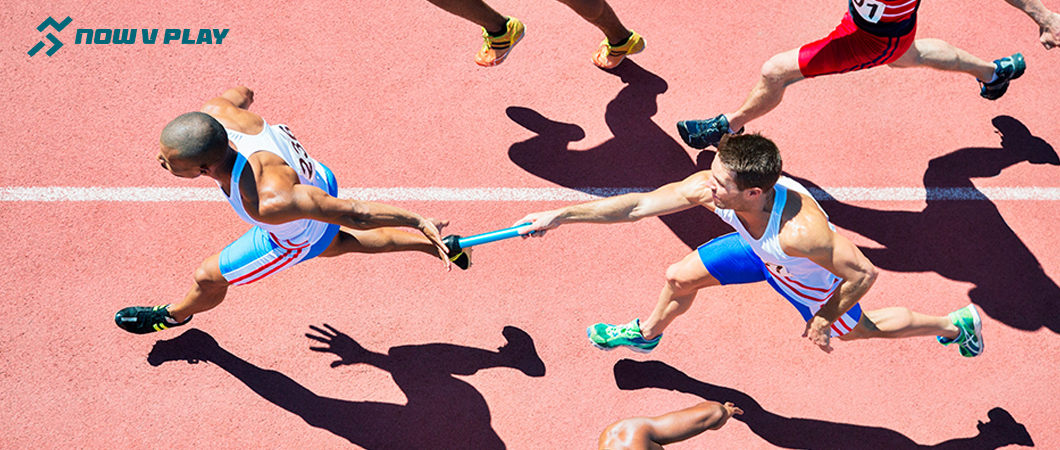
A championship-winning team isn’t just about talent—it’s about how well players work together. From basketball courts to soccer fields, team dynamics play a critical role in success. A team with strong chemistry, clear communication, and trust can outperform even the most skilled individuals. But what is team dynamics, and how does it impact performance? More importantly, how to improve team dynamics to maximize success?
In this article, we’ll explore the science behind team dynamics, the psychology that drives team performance, and actionable strategies to build a stronger, more cohesive sports team.
What is Team Dynamics?
Team dynamics refers to the interactions, relationships, and behavioral patterns among team members. In sports, these dynamics determine how well athletes collaborate, communicate, and trust each other.
Several factors influence team dynamics, including:
- Roles and Responsibilities: Clear role definition helps players understand their contributions to the team.
- Trust and Cohesion: Teams that trust each other work more efficiently and confidently.
- Communication: Effective communication minimizes misunderstandings and improves coordination.
- Leadership: A strong leader fosters motivation, strategy, and unity within the team.
Understanding what is team dynamics is the first step in building a successful sports team. Now, let’s dive into the psychology that drives team interactions.
The Psychology Behind Team Dynamics
Sports teams are complex social structures where psychology plays a vital role. The way players interact, respond to pressure, and support one another directly influences performance.
Key Psychological Factors in Team Dynamics:
- Motivation: Teams with strong intrinsic motivation perform better under pressure.
- Emotional Intelligence: Athletes who understand and manage emotions contribute to a positive team environment.
- Group Identity: A shared team identity fosters unity and commitment.
- Resilience: Strong teams recover quickly from losses and setbacks.
By focusing on these psychological aspects, teams can create an environment where every player thrives.
Key Elements of Strong Team Dynamics
To build a high-performing sports team, several essential elements must be in place:
1. Trust and Cohesion
Teams with high trust levels support one another and push through challenges together. Coaches can encourage bonding exercises and open discussions to build trust.
2. Communication
Clear and open communication prevents conflicts and ensures that strategies are executed effectively. Athletes should practice both verbal and non-verbal communication during training sessions.
3. Leadership and Accountability
Whether from a coach or a team captain, leadership sets the tone for performance and attitude. A strong leader motivates players, ensures accountability, and fosters team unity.
4. Defined Roles and Responsibilities
A successful team knows each member’s role and contribution. When every player understands their specific function, the team operates smoothly and efficiently.
How Poor Team Dynamics Can Impact Performance
When team dynamics break down, performance suffers. Common issues caused by poor team dynamics include:
- Lack of trust, leading to hesitation in decision-making.
- Poor communication, resulting in errors and miscoordination.
- Conflicts and misunderstandings that disrupt team unity.
- Low morale and motivation, reducing overall effort.
Sports history is filled with teams that had exceptional talent but failed due to poor chemistry. Avoiding these pitfalls is crucial for long-term success.
How to Improve Team Dynamics in Sports
Now that we understand the importance of team chemistry, let’s explore how to improve team dynamics with practical strategies:
1. Foster Open Communication
Encourage athletes to express their thoughts, give feedback, and discuss strategies openly. Regular team meetings and debriefing sessions help improve understanding.
2. Build Trust Through Team Bonding
Engaging in activities outside of the sport—such as team dinners, retreats, or bonding exercises—strengthens relationships and trust among players.
3. Develop Strong Leadership
A team needs a leader who can guide, inspire, and mediate conflicts. Coaches should empower captains and senior players to take on leadership roles.
4. Set Clear Goals and Expectations
When each player understands the team’s goals and their role in achieving them, teamwork becomes more effective. Defining objectives keeps the team focused and motivated.
5. Encourage Accountability
Each player should take responsibility for their performance and contribution to the team. Creating a culture of accountability ensures consistency and dedication.
By implementing these strategies, teams can cultivate stronger team dynamics and improve overall performance.
The Role of Coaches in Building Team Chemistry
A coach’s influence on team dynamics is undeniable. Great coaches create an environment of trust, discipline, and motivation.
How Coaches Enhance Team Chemistry:
- Establish clear team values and expectations.
- Encourage collaboration over individual competition.
- Provide constructive feedback and support player development.
- Adapt leadership styles to the needs of different players.
Coaches who prioritize team dynamics can turn an average team into a championship-winning one.
Teamwork in Different Sports: Individual vs. Collective Dynamics
Not all sports require the same level of team coordination. Understanding how team dynamics vary across sports helps players adapt.
- Basketball & Soccer: Require constant communication, quick decision-making, and seamless coordination.
- Tennis Doubles & Relay Races: Depend on strong partnerships and precise synchronization.
- Golf & Track Events: Though individual, these sports still benefit from a supportive team culture.
Even in individual sports, the support system and training environment contribute to an athlete’s success.
The Impact of Technology and Data on Team Dynamics
Advancements in sports science have transformed team dynamics. Technologies like:
- Wearable performance trackers analyze player movement and stamina.
- AI-driven game analysis helps teams refine strategies.
- Virtual reality training enhances teamwork in game-like scenarios.
Using data to understand team dynamics gives teams a competitive edge and improves overall performance.
Case Studies: Successful Teams with Strong Dynamics
Some of the most successful teams in sports history attribute their wins to strong team dynamics:
- Golden State Warriors (NBA): Their teamwork and unselfish playstyle led to multiple championships.
- FC Barcelona (Soccer): Their famous “tiki-taka” strategy relies on perfect coordination and understanding between players.
- New England Patriots (NFL): A well-structured team with strong leadership and chemistry.
These teams prove that talent alone isn’t enough—team dynamics make all the difference.
Conclusion
Strong team dynamics can be the difference between victory and failure in sports. By fostering trust, communication, and leadership, teams can maximize their potential. Understanding what is team dynamics and implementing strategies on how to improve team dynamics will lead to better performance and stronger team cohesion.
No matter the sport, teamwork is the key to success. Start building a winning team today!