The Origins of Cricket: When Was Cricket Invented?
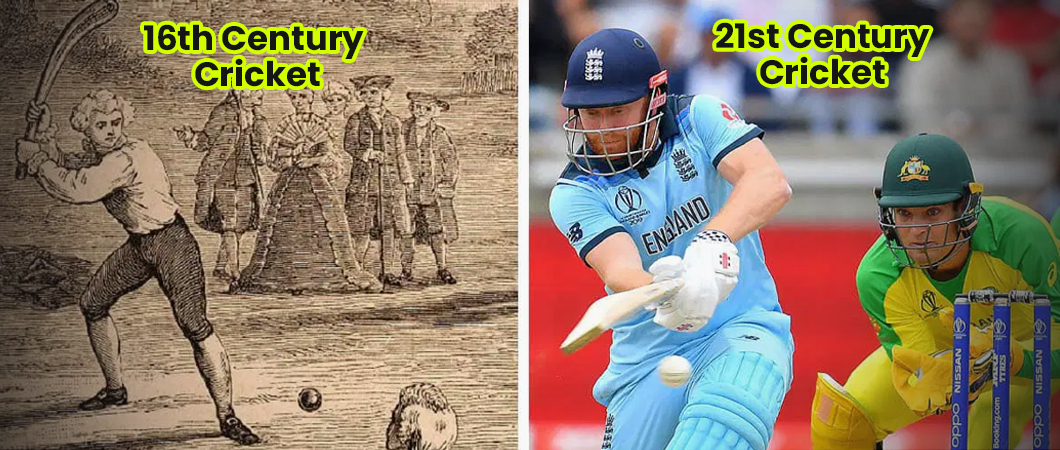
Cricket, often referred to as a gentleman’s game, has a history as rich and varied as the sport itself. The question “when was cricket invented?” sparks much curiosity among enthusiasts. Cricket’s origins can be traced back to 16th-century England, where it began as a simple game played by children in rural areas.
The earliest reference to cricket appears in a court case from 1597, where the word “creckett” was used. By the early 17th century, adults began playing cricket competitively, setting the foundation for its evolution into an organized sport. By the mid-18th century, cricket had become a recognized pastime, complete with formalized rules and regulations.
How Cricket Spread Across the Globe
The expansion of the history of cricket owes much to the British Empire. As British influence spread globally, so did the sport of cricket. Countries such as India, Australia, South Africa, and the West Indies adopted cricket, integrating it into their cultures.
By the 19th century, international matches became a reality, creating a sense of rivalry and camaraderie among nations. The introduction of organized tours, such as England’s first tour of Australia in 1877, helped establish cricket as a global sport.
The Birth of Test Cricket
One of the most significant milestones in the history of cricket was the birth of Test cricket. In March 1877, England and Australia played the first-ever Test match at the Melbourne Cricket Ground. This match, regarded as the pinnacle of the sport, set the stage for enduring rivalries, such as the iconic Ashes series.
Test cricket showcased the true essence of the game—grit, patience, and strategy. For decades, it remained the ultimate format, capturing the imagination of players and fans alike.
The Advent of Limited-Overs Cricket
As cricket evolved, so did its formats. In 1971, limited-overs cricket emerged, leading to the first-ever One Day International (ODI) between England and Australia. This faster-paced version appealed to a wider audience, making cricket more accessible and exciting.
The limited-overs format paved the way for the inaugural Cricket World Cup in 1975. Held in England, this tournament marked a turning point in cricket history, giving fans across the globe a reason to unite and celebrate.
Cricket World Cups: A Journey Through Time
The Cricket World Cup quickly became the crown jewel of the sport. Over the years, it produced countless memorable moments—from Kapil Dev lifting the trophy for India in 1983 to Australia’s dominance in the early 2000s.
Fast forward to the Cricket World Cup 2023, and the tournament continues to thrive as a spectacle of skill and passion. The 2023 edition featured thrilling matches, record-breaking performances, and a celebration of cricket’s universal appeal.
The Rise of T20 Cricket
In the early 2000s, cricket witnessed yet another revolution with the introduction of Twenty20 (T20) cricket. This shorter, action-packed format appealed to a younger audience, drawing in fans who craved high-energy entertainment.
The T20 format reached its pinnacle with the establishment of leagues like the Indian Premier League (IPL), which combined cricket with glamour and innovation. Today, T20 cricket is a driving force behind cricket’s global popularity.
The Evolution of Cricket Rules
Cricket’s journey from its humble beginnings to the modern-day spectacle would not have been possible without the evolution of its rules. Initially, cricket was a loosely organized pastime, but by the 18th century, the Marylebone Cricket Club (MCC) codified the Laws of Cricket.
Technological advancements further shaped the game. Innovations like the Decision Review System (DRS), Hawk-Eye, and LED bails brought precision and fairness to decision-making. These developments ensured cricket remained relevant and engaging in the digital era.
Women’s Cricket Through the Ages
The history of cricket is incomplete without acknowledging the contributions of women. Women’s cricket has grown significantly since the first recorded match in 1745. Today, tournaments like the Women’s Cricket World Cup and the Women’s T20 World Cup have given female cricketers a global platform to showcase their talent.
Notable milestones include Australia’s dominance in women’s cricket and India’s recent rise as a formidable team. These achievements underscore the sport’s inclusive spirit.
Cricket World Cup 2023: A Modern Spectacle
The Cricket World Cup 2023 stands out as a defining moment in cricket’s history. Hosted by India, the tournament brought together the world’s best teams in a celebration of skill, sportsmanship, and strategy.
The competition saw new records being set, thrilling finishes, and passionate displays of nationalism. The Cricket World Cup 2023 not only entertained but also reinforced cricket’s status as a global unifier, captivating audiences across continents.
Cricket in the Digital Age
In recent years, the digital revolution has transformed the way cricket is played and consumed. Streaming platforms, social media, and interactive apps have made the sport more accessible to fans worldwide.
Live broadcasts and instant updates keep fans connected, while platforms like YouTube and Instagram allow players to share their stories and engage with their followers. This digital presence has taken cricket to new heights, ensuring its relevance in an ever-changing world.
Cricket as a Global Sport Today
Today, cricket is played and loved in nearly every corner of the globe. From the bustling streets of Mumbai to the quiet fields of New Zealand, the sport continues to inspire millions. Its formats, from Test cricket to T20, offer something for everyone, ensuring its enduring appeal.
The ICC, cricket’s governing body, plays a vital role in promoting the sport, organizing tournaments like the Cricket World Cup 2023 and fostering its growth in emerging markets. With plans to include cricket in the Olympics, the future looks bright for the game.
Conclusion: A Timeless Journey
The history of cricket is a testament to the sport’s ability to adapt and thrive across centuries. From its origins in rural England to the grand stage of the Cricket World Cup 2023, cricket has come a long way.
As fans, players, and administrators continue to push the boundaries, cricket remains a unifying force that transcends borders, cultures, and generations. Its rich legacy is a reminder of the timeless appeal of this beautiful game.